vehicle extended warranty programs explained clearly
What they are
An extended warranty adds repair coverage beyond the factory term. It can be issued by a manufacturer or a third party, each with different networks, deductible styles, and claim rules. You're paying to turn uncertain future costs into a predictable plan - useful, though not magical.
Benefits
- Budget stability during high-mileage years.
- Access to vetted repair facilities and roadside help.
- Some include rental coverage for downtime.
Tradeoffs
- Exclusions for wear items and 'pre-existing' conditions.
- Claim authorization steps that can slow repairs.
- Overlapping coverage if you drive little.
- Cancellation and refund policies vary.
Real usage
At 62,000 miles, a water pump failed on a commuter sedan. The owner called the plan administrator from the shoulder, was towed within an hour, and paid a deductible. Smooth, yes - though the shop had to wait for approval before starting.
What to check
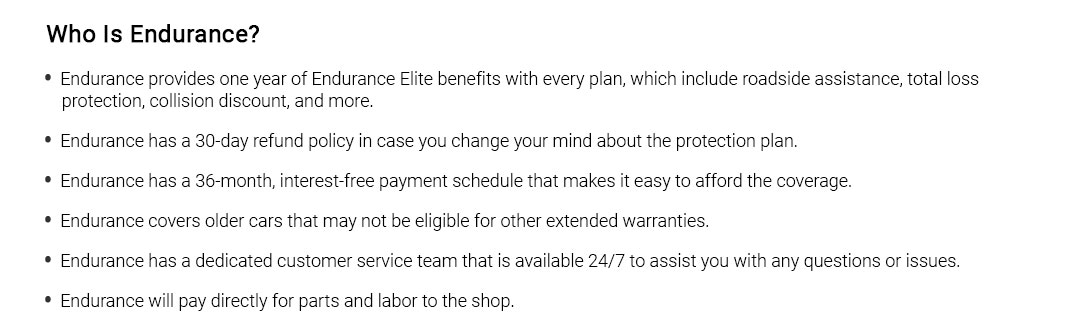
- Provider strength: backing insurer, years in business.
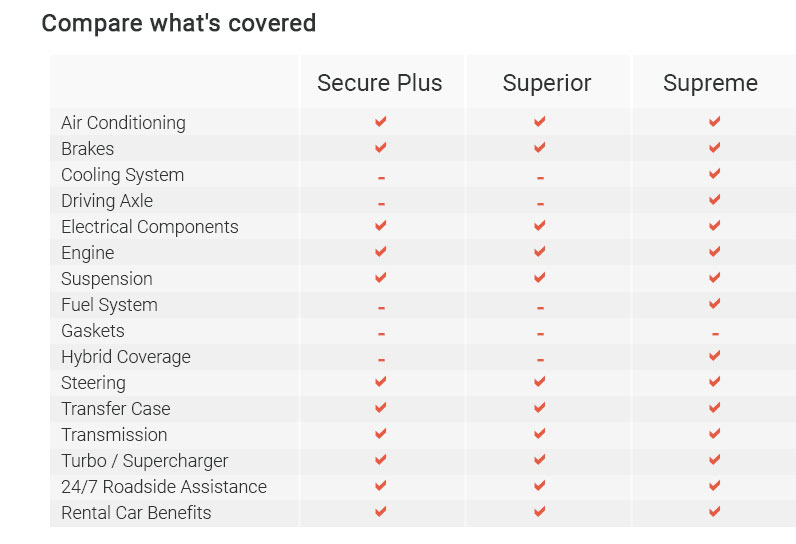
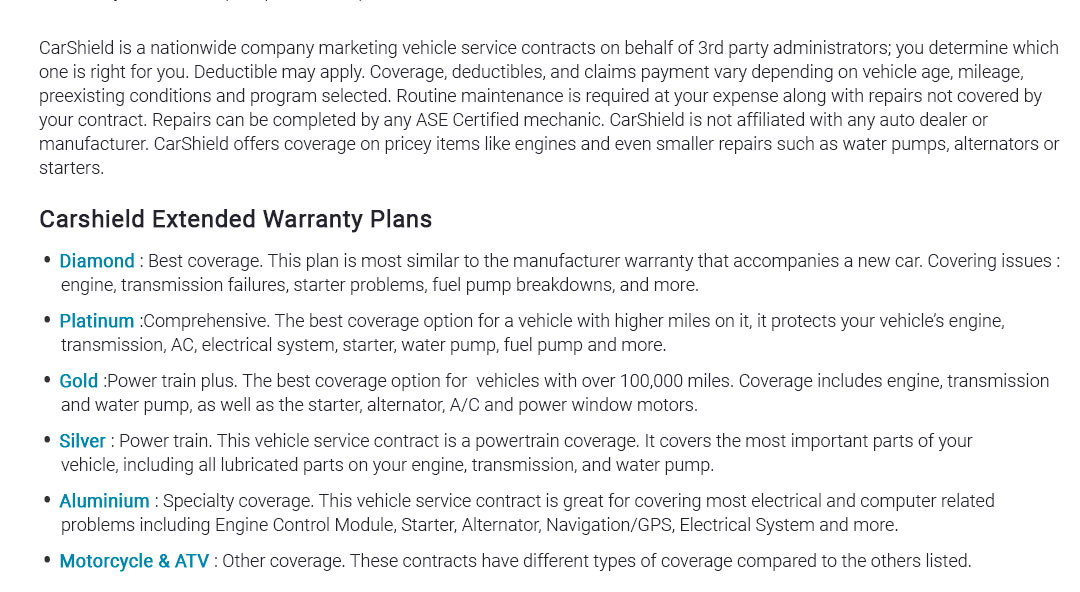
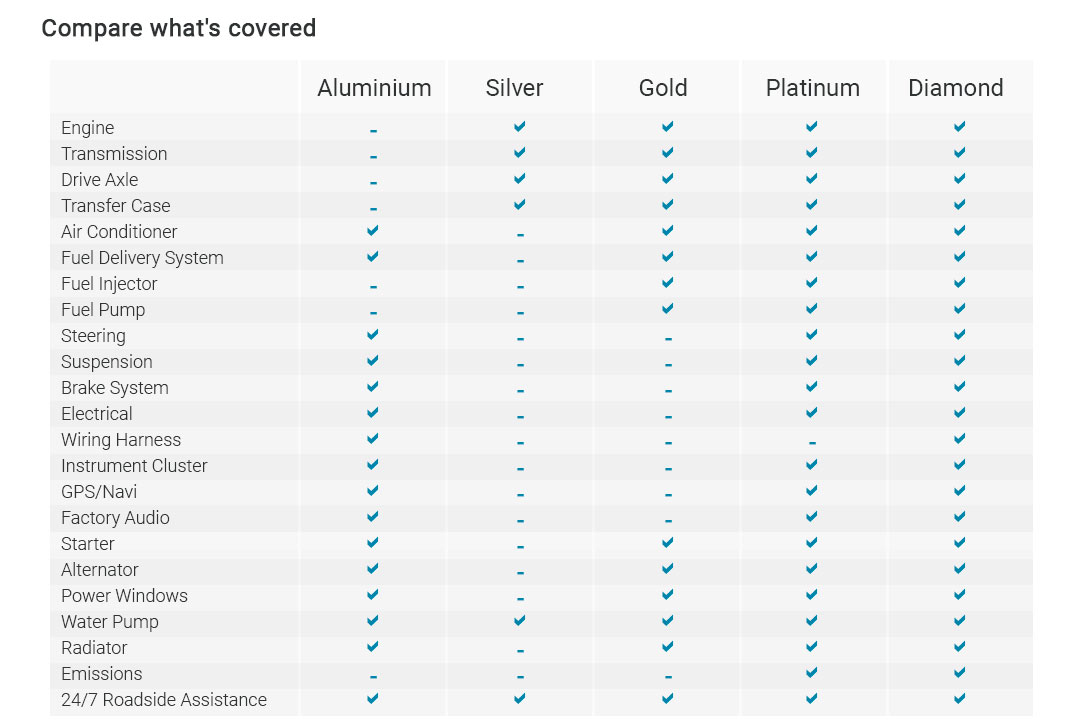
- Coverage scope: engine, electronics, ADAS sensors, labor rates.
- Limits: per-visit caps, betterment, diagnostic time.
- Network rules: OEM parts vs aftermarket, choice of shop.
- Costs: deductible type, financing markups, fees.
If reliability is your priority, a well-chosen plan can protect momentum. Still, compare it to a dedicated repair fund. Needs differ; certainty carries a price, and the simplest answer isn't.